Ayahuasca: The Vine of the Soul
Ayahuasca, known as the “Vine of the Soul” or “Vine of the Dead,” is one of the most powerful and revered sacred plant medicines of the Amazon. Traditionally used by Indigenous peoples across Peru, Ecuador, Colombia, Brazil, and Bolivia, Ayahuasca has gained global attention for its profound healing, spiritual revelations, and potential as a treatment for trauma, depression, and addiction.
Etymology and Meaning of Ayahuasca
The word “Ayahuasca” comes from the Quechua language: – “Aya” means spirit, ancestor, or dead. – “Waska” (or “huasca”) means vine or rope.
Therefore, Ayahuasca can be translated as the “Vine of the Soul” or “The Vine that Allows You to Go to the Place of the Dead.” This dual meaning reflects the medicine’s role in facilitating deep spiritual journeys, encounters with ancestors, and the death of ego and illusion.
In other parts of the Amazon, it is also known as “Natem”, “Caapi”, and “Yagé.“
History of Ayahuasca Use
Origins
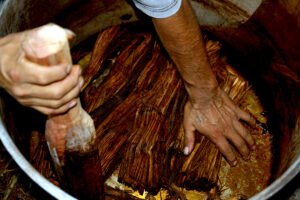
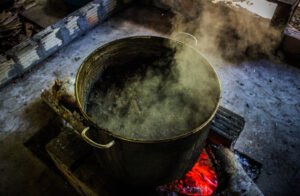
Ayahuasca has been used for thousands of years by Amazonian tribes such as the Shipibo-Conibo, Ashaninka, Yawanawa, and Cofan, among others. It is a core component of Amazonian cosmology, healing, and divination. Knowledge of Ayahuasca preparation and use has been passed orally from generation to generation through complex initiatory systems involving apprenticeships, vision quests, and strict diets.
Colonial Disruption and Syncretism
During colonization, Ayahuasca practices were often driven underground but survived through secrecy and adaptation. In the 20th century, new syncretic religious movements emerged in Brazil such as Santo Daime, União do Vegetal (UDV), and Barquinha, blending Catholicism with traditional Ayahuasca use.
Global Resurgence
From the 1990s onward, Ayahuasca has gained more attention from scientists, psychologists, spiritual seekers, those in need, and tourists. This resurgence has led to both greater awareness of its many uses and concerns over cultural appropriation and sustainability.
Chemical and Medicinal Properties of Ayahuasca
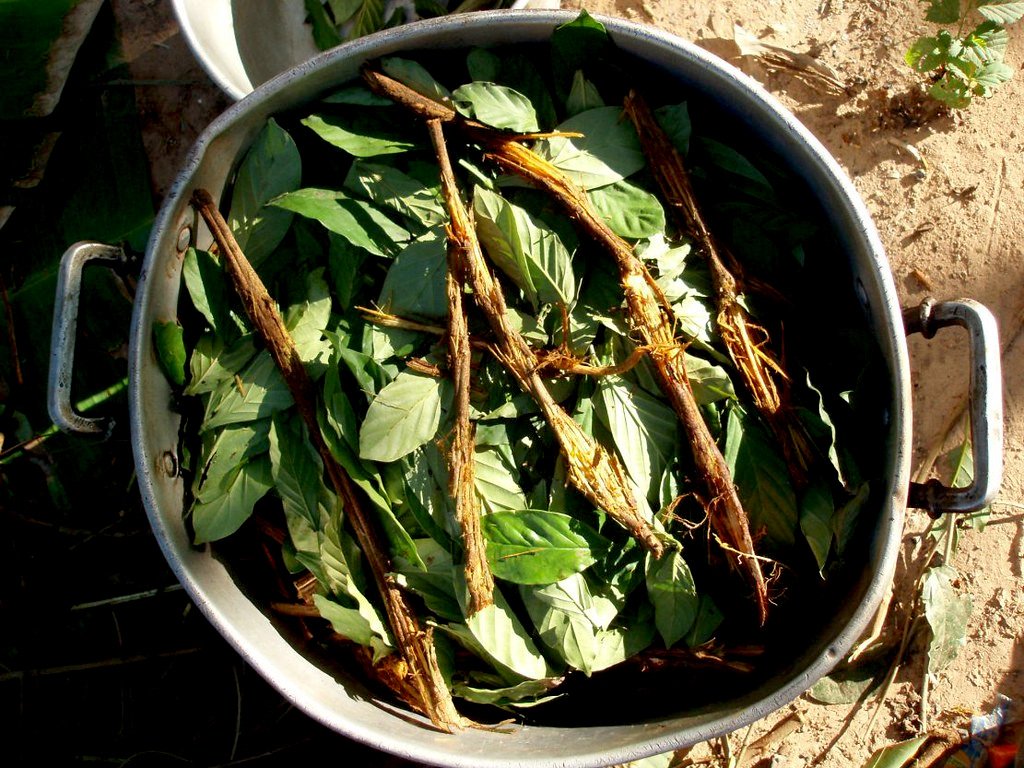
Ayahuasca is a synergistic brew, usually made by combining two plants: – Banisteriopsis caapi (the Ayahuasca vine), and Psychotria viridis (or Chacruna), a leaf containing DMT.
Chemical Breakdown:
Banisteriopsis caapi:
Contains harmala alkaloids: Harmine, Harmaline, and Tetrahydroharmine.
These are MAO inhibitors, allowing the DMT in the Chacruna to become orally active.
Psychotria viridis:
Contains N,N-Dimethyltryptamine (DMT), a powerful tryptamine psychedelic that induces intense visions and the dissolution of the ego.
Effects and Therapeutic Benefits:
Neurogenesis: Studies show Ayahuasca may promote brain cell growth
Emotional healing: Facilitates release of trauma, grief, and suppressed emotions
Addiction recovery: Used in centres like Takiwasi in Peru for treatment of alcoholism and drug dependency
Anti-inflammatory and antioxidant: Preliminary studies suggest medicinal benefits for chronic conditions
Spiritual Growth: Many report life-changing experiences, life purpose clarity, and a deep sense of unity with the universe

Modern Science and Global Interest
In recent years, Ayahuasca has been studied by institutions such as: – Johns Hopkins University – Imperial College London – MAPS (Multidisciplinary Association for Psychedelic Studies)
Clinical research is exploring its efficacy in treating: – PTSD – Addiction – Depression resistant to pharmaceuticals
At the same time, local voices in South America are calling for ethical tourism, respect, and land protection to preserve sacred plant traditions and the land on which they are found.
Ayahuasca as a Sacred Teacher
Ayahuasca is not a drug, a trend, or a shortcut—it is a sacred teacher, healer, and mirror. It offers the chance for us to confront the deepest parts of ourselves, to connect with all things beyond our selves, and to point us towards a path of truth, service, and awakening.
When approached with respect, intention, and support, Ayahuasca can become a gateway to transformation—not just for ourselves as individuals, but for the collective consciousness of humanity.