Huachuma: The Sacred Cactus of the Andes
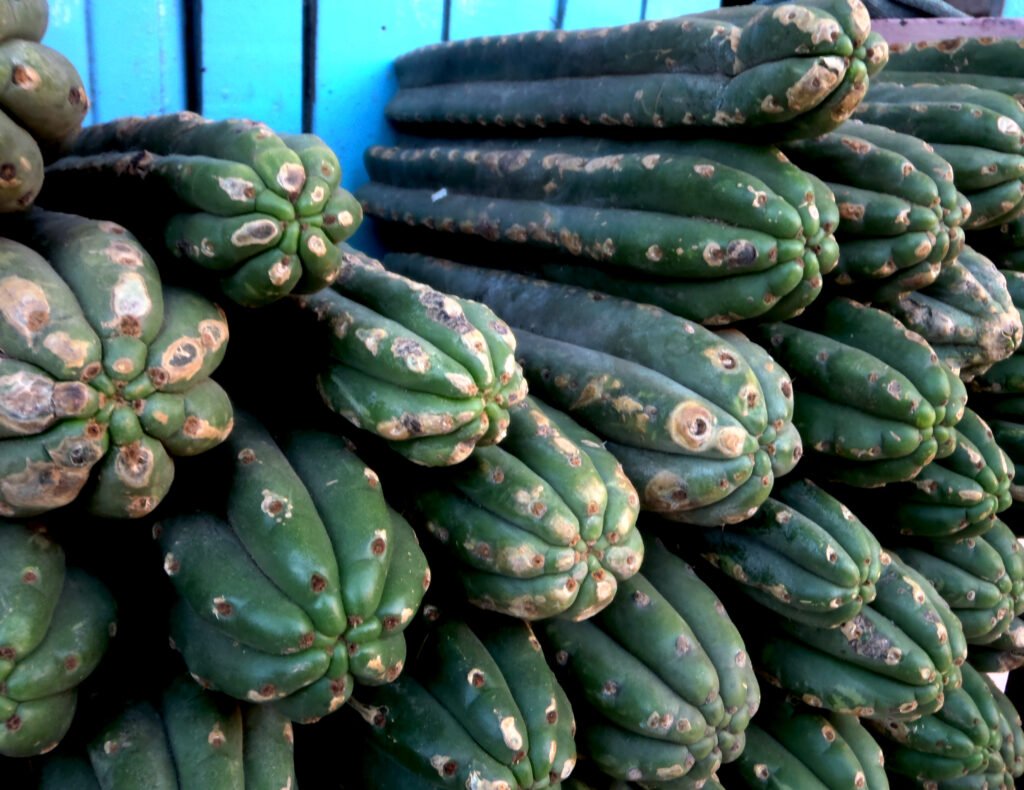
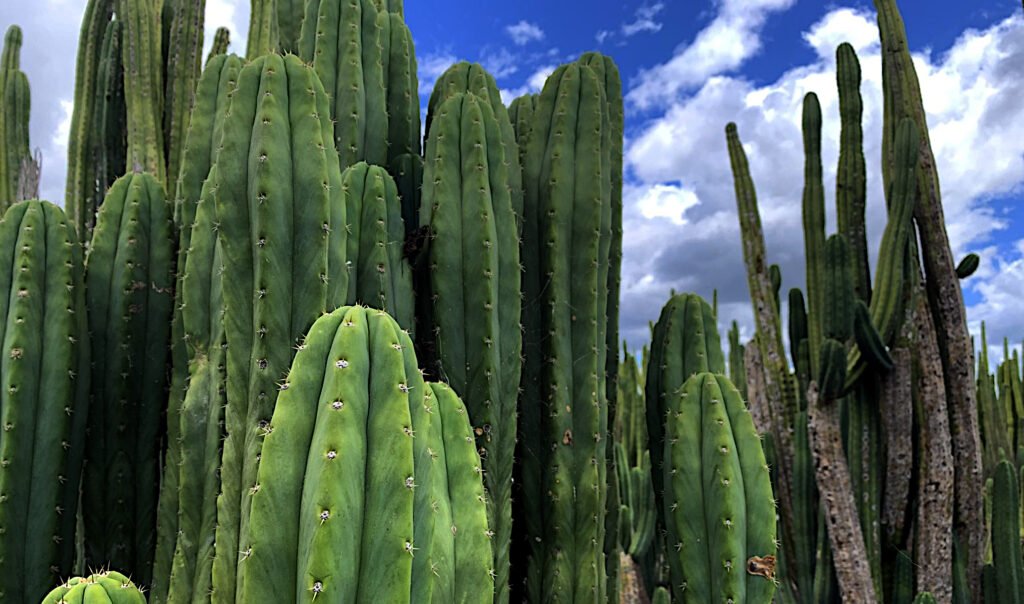
Huachuma, also known by many as San Pedro, is one of the oldest and most revered sacred plant medicines in South America. Native to the highlands of Peru, Ecuador, and Bolivia, this visionary cactus has been used for thousands of years in shamanic healing ceremonies that invoke balance, insight, and deep connection with Pachamama (Mother Earth). As global interest in ancestral healing practices grows, Huachuma is being rediscovered as a powerful plant teacher capable of profound emotional, psychological, and spiritual transformation.
In this article, we explore the etymology, history, folklore, ceremonial use, and chemical and medicinal properties of Huachuma.
Etymology of “Huachuma”
The name Huachuma comes from the Quechua language: – “Wachuma” or “Huachuma” can be translated as “removing the head” or “headless”, referring metaphorically to the ego-dissolving, transcendent experiences the cactus induces.
The Spanish colonial name San Pedro (Saint Peter) was given by Catholic missionaries, who equated the plant’s visionary power with opening the gates of heaven, just as Saint Peter holds the keys to the kingdom of God in Christian belief.
Today, both names are widely used, though Huachuma or Wachuma are increasingly preferred in order to honour its roots.
A Short History of Huachuma Use
Pre-Columbian Origins
Archaeological evidence suggests Huachuma has been used for over 3,000 years. Ceramic vessels from the Chavín de Huantar culture (1200 BCE) depict cactus imagery in ceremonial contexts, indicating that the use of Huachuma predates even the Inca Empire. Later cultures like the Nazca and Moche also left iconography and carvings representing the cactus in association with deities and rituals.
Colonial Suppression and Survival
With the Spanish conquest came the criminalization of traditional spiritual practices, including the use of plant medicines. Many ceremonies went underground or were disguised under Christian symbolism. San Pedro became a folk remedy in remote Andean villages, where its spiritual and healing applications persisted in private homes and hidden ceremonies.
Today, Huachuma ceremonies are experiencing a revival, supported by Andean communities and sought after by people around the world.
Chemistry and Medicinal Properties of Huachuma
The primary psychoactive component of Huachuma is mescaline, a naturally occurring phenethylamine alkaloid. Unlike synthetic psychedelics, mescaline is embedded in a complex matrix of compounds that affect its effects and duration.
Key Chemical Components:
- Mescaline: A serotonergic psychedelic that stimulates 5-HT2A receptors, inducing visual, emotional, and spiritual states.
- Tyramine, Hordenine, Anhalonidine: Lesser alkaloids that may modulate mescaline’s effects or contribute to physiological activity.
Medical and Therapeutic Properties:
- Neuroplasticity: Like other psychedelics, mescaline has been shown to promote synaptogenesis and neural growth.
- Emotional Processing: Huachuma facilitates the release of suppressed emotions, often resulting in catharsis and emotional clarity.
- Heart-Centered Awareness: Users frequently report a profound sense of unconditional love, making Huachuma effective for addressing grief, trauma, anxiety, and depression.
- Anti-inflammatory and antioxidant effects: Traditional use also includes topical application of cactus pulp for wounds, burns, and inflammation.
Huachuma is generally considered safe when used responsibly in ceremonial contexts, with low risk of addiction or toxicity.
Modern Relevance and Legal Status
Huachuma is currently legal in Peru and Ecuador, where it is protected as part of traditional medicine. In other countries, it may be regulated due to its mescaline content, though cactus plants themselves are often legal to grow.
In recent years, Huachuma has gained popularity in retreat centers and spiritual tourism. While this brings global awareness, it also raises concerns about cultural appropriation, sustainability, and respecting traditional knowledge.
It is crucial to seek ceremonies led by authentic, well-trained facilitators, and to approach the medicine with reverence, humility, and a spirit of reciprocity.
Huachuma as a Sacred Ally
Huachuma is not merely a hallucinogen or a curiosity—it is a sacred ally with ancient roots and a powerful capacity to heal the heart, clarify the mind, and restore our bond with nature.
In a world starved for connection and authenticity, Huachuma offers a timeless path to the seeker: one of communion, compassion, and conscious awakening.